
Pediatric Dentistry
A first meeting with the dentist
without fear
For children, the most important thing is that the first visit goes smoothly. If a child builds trust early on, later check-ups become routine rather than something to be afraid of.
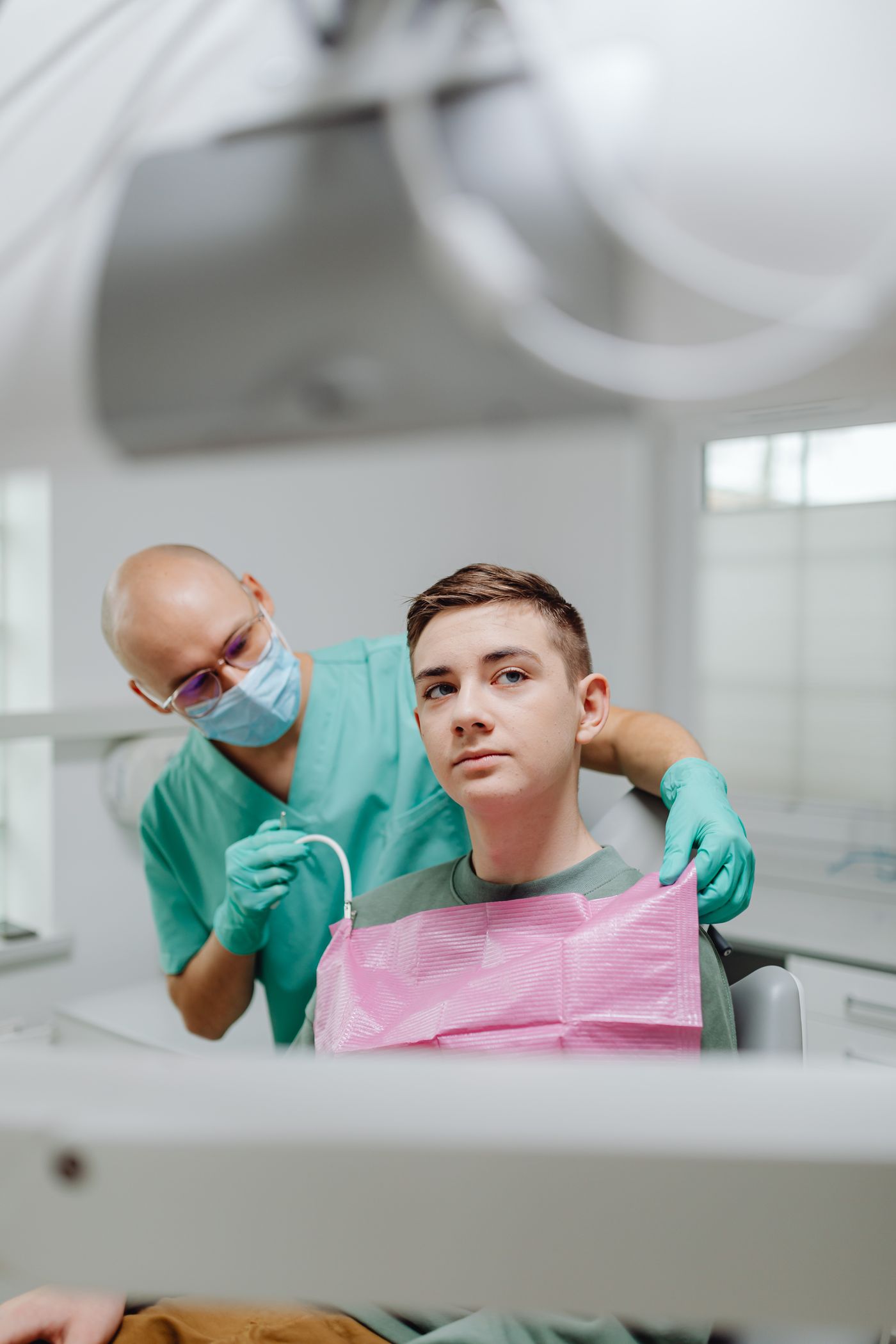
How we work
From getting acquainted
to regular check-ups
We adjust the pace to the child. We explain everything we do to both the child and the parent, in simple words and before we begin.
-
First examination
We recommend the first check-up around age three. That visit is usually dedicated only to getting acquainted and an examination, without any procedure.
-
Fissure sealing
Protecting the grooves on the chewing surfaces of permanent teeth, as a cavity-prevention measure for school-age children.
-
Treating baby teeth
We treat cavities in baby teeth in time, so the tooth keeps its function and place until it's replaced by the permanent tooth.
-
Regular check-ups
Check-ups every six months help catch changes early, while procedures are still simple.
For parents
What you can
expect
Have another question? Let us know in the note field when booking an appointment.
We recommend the first check-up around age three, or earlier if you notice a change in a tooth or the child has discomfort. An early visit benefits both us and the child — the examination happens before any unpleasant experience with teeth.
We work more slowly and explain every step before we do it. The first visit often passes without any procedure at all — the child sits in the chair and gets to know the room and the instruments. If we judge that the child needs more time, we split the treatment across several visits.
Of course. With younger children, having a parent present usually helps them relax. We'll agree on-site on what's best for the specific child.
Yes. A baby tooth holds the place for the permanent tooth and plays a role in chewing and speech. Neglected decay in a baby tooth can cause pain, infection, and affect the tooth that has yet to erupt.
Appointments
Book an appointment for your child
Fill out the form and we'll get back to you to confirm the appointment. You can describe how your child reacts to doctor visits in the note field.